Landlords, Not Tenants: The Case for Owning Everything in the Creator Economy
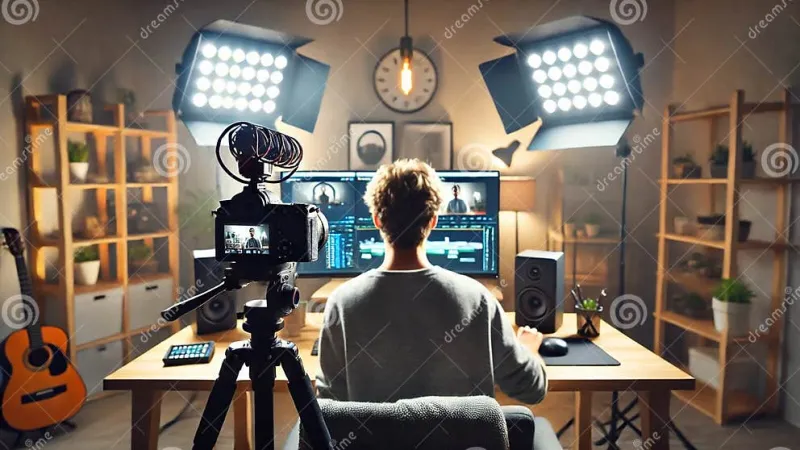
Photo: independent creator working in small home studio with camera equipment, via thumbs.dreamstime.com
For most of the streaming era, the deal looked like a blessing. A platform wrote a check, took the rights, and promised an audience measured in millions. Creators traded ownership for reach and called it a fair price. Then the corrections came: shows vanished from libraries mid-season, development slates were culled to satisfy earnings calls, and writers discovered that work they'd made could be deleted for tax purposes. The tenant's life, it turned out, had a landlord — and the landlord was renovating.
The Great Reassessment
It is no accident that the past two years have seen a quiet migration. Creators who once courted platform exclusivity are building something less glamorous and more durable: their own studios. Small teams, self-owned IP, direct distribution through newsletters, YouTube channels, podcasts, and community platforms. The model is not new — independent producers have operated this way for a century. What is new is the infrastructure. Distribution tools that once required a network's money now cost a subscription and a work ethic.
The economics are stark. A platform deal might pay six figures up front for rights that generate seven figures over a decade. An owned property might earn less in year one and compound forever. Creators are increasingly doing the math and choosing the second column.
Portraits From the Micro-Studio Movement
Consider the pattern visible across the country. A former staff writer in Austin funds a serialized audio drama through listener subscriptions, then optioned the screen rights to herself when a studio came calling. A documentary duo in Detroit built a direct-to-audience release model after watching their previous film sit on a shelf for eighteen months. A genre filmmaker in Portland produces low-budget features through a cooperative of crew members who share backend points instead of day rates.
None of these operations resemble a traditional studio. All of them share the same philosophy: the audience is the asset, and the audience is portable only if you own the relationship with it.
The Honest Costs
This is not a utopian argument, and it should not be sold as one. Sovereignty is expensive. Platform deals still offer advances, marketing muscle, and health insurance — things a micro-studio cannot always provide. Going it alone means shouldering cash-flow gaps, learning distribution, and accepting that some months the studio pays the creators nothing. Failure, when it comes, is not absorbed by a corporation. It lands on the founder's kitchen table.
There is also a cultural cost. Owned-audience models reward consistency and personality; they can pull creative energy toward the feed and away from the work itself. The creator who spends three hours a day on community management is not spending those hours writing.
The Verdict
Still, the direction of travel is clear. The next decade of American entertainment will likely be defined not by a single dominant platform but by a braid of them — and the creators who thrive will be those who can leave any one of them without losing everything. Renting reach is a tactic. Owning the pipeline is a strategy.
At Divano Productions, we believe the future belongs to builders who treat their catalogs the way studios once treated their libraries: as land to be developed, not sold off room by room. The check from a platform is real. So is the bill that comes due when the terms change. Creators who own their stories, their audiences, and their means of distribution are not opting out of the industry. They are quietly building the next one — on land they actually own.