Buy It Broken In: A Budget-Honest Gear Guide for the Independent Filmmaker
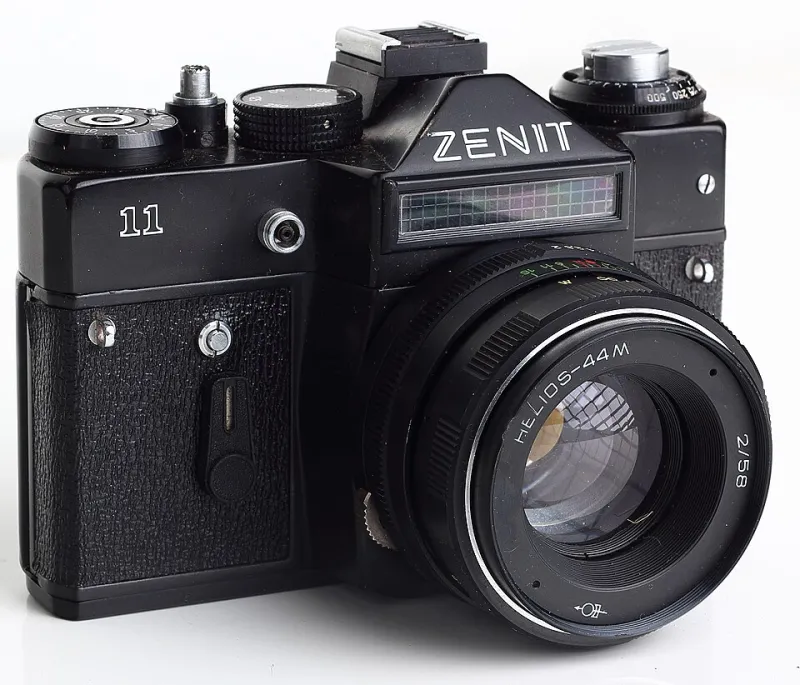
Photo: Dmitry Makeev, CC BY-SA 4.0, via Wikimedia Commons
Every independent filmmaker eventually faces the same spreadsheet: a wish list on one side, a bank account on the other. The gear market's dirty secret is that the two columns don't have to be enemies. Some categories of equipment depreciate like used sedans — functional, plentiful, and dramatically discounted — while others hold value or quietly punish anyone who bought secondhand. Knowing the difference is worth thousands of dollars.
Buy Used: The Body Behind the Hype
Camera bodies. The used market for cinema cameras and mirrorless bodies is one of the great bargains in American creative life. A two-generation-old body that retailed for $6,500 routinely sells for $2,200–$2,800 on platforms like MPB, KEH, or B&H's used department. Sensor technology has plateaued enough that last cycle's flagship captures 95 percent of the image of this cycle's — and none of your audience will ever know which one you used.
Lenses — with a caveat. Manual-focus vintage glass has become a genre of its own, and used primes from Canon FD, Nikon F, and old Zeiss lines deliver character that focus-perfectionism can't replicate. A $300 vintage prime often out-performs a $1,300 modern lens in the qualities that actually read on screen: rendering, falloff, personality. The caveat: check for fungus and haze in person or from sellers with robust return policies.
Lighting stands, C-stands, and grip. Metal doesn't age. A used Matthews C-stand that cost $180 new sells for $70–$90 and will outlive you. Grip equipment is the single safest used purchase in filmmaking — inspect the locks, tighten what's loose, done.
Monitors and field recorders. Small HD monitors and portable audio recorders have been commoditized into oblivion, which is wonderful news for buyers. Last year's monitor is this year's monitor at 60 percent off.
Scaffolding of the non-glamorous kind: sandbags, apple boxes, flags, and softboxes. Nobody returns these. Nobody counterfeits these. Buy them used, buy them in lots, thank yourself later.
Pay Full Price: The Three That Bite Back
Batteries and anything with lithium cells. Battery chemistry degrades whether a cell sits in a drawer or on a set, and used batteries hide their history. A swollen V-mount bought at a discount is a fire hazard in a gear bag. Buy batteries new, from the manufacturer or an authorized dealer, always.
Hard drives and storage media. You would not buy a parachute at a yard sale. Storage is the only category where failure means losing the film itself. New SSDs and cards, new cables, new backups — this is the cheapest insurance in the industry.
Fasteners and safety hardware. Safety cables, clamps under load, and rigging hardware take invisible stress over time. A $15 new safety cable versus a $6 used one is not a savings; it's a deferred liability. On any US production with real insurance requirements, used rigging can void coverage entirely.
The Resale Math That Changes Everything
Here is the argument that reframes used buying as a strategy rather than a compromise: ownership compounds. A filmmaker who buys a $2,400 used body, uses it for three years on paid work, and resells it for $1,700 has effectively rented professional image-making for about $230 a year. That arithmetic — not nostalgia — is why a generation of American independent creators has embraced the secondary market.
The same logic argues against overbuying. A filmmaker who spends the entire budget on a new flagship body and shoots it with a $40 tripod has optimized the wrong variable. The image is a system: glass, support, light, and sound matter as much as the sensor, and three of those four are dramatically cheaper used.
The Ownership Ethos
There is a deeper principle at work, one that resonates across the creator economy: every dollar not spent on retail markup is a dollar of independence. Filmmakers who buy used, maintain their gear, and resell intelligently are not merely saving money — they are building equity in their own production capability. They own the means of making the work, and ownership is what turns a freelancer with a camera into a studio with a future.
The gear list will change. The principle won't: buy depreciating tools secondhand, buy reliability-critical tools new, and let the difference fund the thing no discount market can supply — the next project.